Urban Redevelopment: Contrasting Approaches in the Netherlands and Kuala Lumpur, Malaysia
Category : | Sub Category : Posted on 2024-10-05 22:25:23
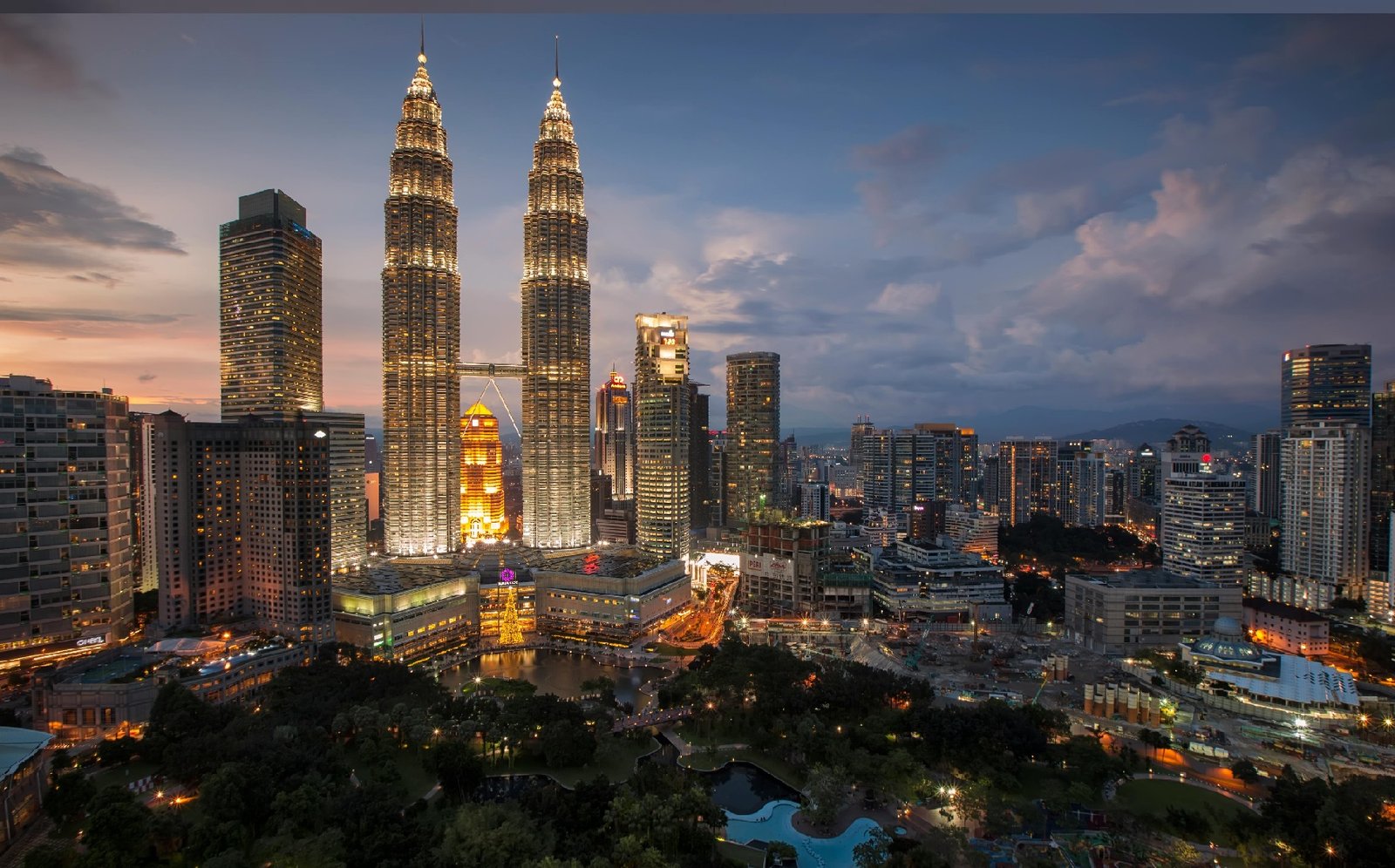
Urban redevelopment is a vital aspect of city planning and development, reflecting a city's evolution and growth over time. The processes and approaches to urban redevelopment can vary significantly from one country to another, influenced by cultural, economic, and social factors. Let's explore the contrasting approaches to urban redevelopment in the Netherlands and Kuala Lumpur, Malaysia. The Netherlands has long been recognized for its innovative and sustainable urban planning strategies. Dutch cities are known for their compact and efficient designs, with a strong emphasis on cycling infrastructure, green spaces, and mixed-use developments. Urban redevelopment projects in the Netherlands often focus on preserving historic buildings and creating vibrant, livable neighborhoods that prioritize pedestrians and cyclists over cars. One notable example of successful urban redevelopment in the Netherlands is the transformation of the former docklands in Amsterdam into the vibrant neighborhood of Eastern Docklands. Once a derelict industrial area, Eastern Docklands is now a modern residential and commercial district with innovative architecture, green spaces, and waterfront promenades. The project seamlessly integrates old and new buildings, preserving the area's industrial heritage while meeting the needs of a contemporary urban population. In contrast, Kuala Lumpur, the capital city of Malaysia, faces unique challenges in urban redevelopment due to rapid urbanization, population growth, and socioeconomic disparities. Urban redevelopment projects in Kuala Lumpur often prioritize high-rise developments, transportation infrastructure, and commercial spaces to meet the demands of a growing urban population. One of the most ambitious urban redevelopment projects in Kuala Lumpur is the Tun Razak Exchange (TRX), a planned financial district that aims to attract international businesses and investors. Spanning over 70 acres, TRX features modern skyscrapers, hotels, retail spaces, and green areas, reshaping the city's skyline and economic landscape. While TRX represents a significant investment in urban redevelopment, critics have raised concerns about its impact on local communities, heritage buildings, and environmental sustainability. Despite their differences, both the Netherlands and Kuala Lumpur share a common goal of creating livable, sustainable, and inclusive urban environments through redevelopment projects. By learning from each other's experiences and best practices, cities around the world can navigate the complexities of urban redevelopment and create spaces that enhance the quality of life for their residents. In conclusion, urban redevelopment in the Netherlands and Kuala Lumpur reflects the diverse approaches to city planning and development in different parts of the world. While the Netherlands emphasizes sustainability, heritage preservation, and community engagement, Kuala Lumpur focuses on economic growth, modernization, and infrastructure development. By embracing the unique characteristics of their cities and leveraging innovative solutions, urban planners and policymakers can create resilient and thriving urban spaces for generations to come.
https://desencadenar.org
https://constructional.org
Leave a Comment:
SEARCH
Recent News
- Zurich, Switzerland and Guatemala may seem like two very different places, but both offer unique and exciting travel experiences for those looking to explore diverse cultures and stunning landscapes.
- Zurich, Switzerland and the Guatemalan Industry may seem like an unlikely pair at first glance, but both offer unique perspectives on different aspects of global business and commerce. Zurich, as the financial capital of Switzerland, is known for its strong banking sector and stable economy. On the other hand, Guatemala has a diverse industry that includes agriculture, textiles, and manufacturing.
- Zurich, Switzerland is a city known for its picturesque surroundings, stunning architecture, and vibrant culture. As a popular destination for both tourists and expats, Zurich offers a diverse culinary scene with cuisine choices from around the world. One lesser-known but delightful culinary gem you can find in Zurich is Guatemalan cuisine.
- Zurich, Switzerland is known for its strong economy and business-friendly environment, attracting entrepreneurs from all over the world to establish their businesses in the city. One such entrepreneur is Carlos, a Guatemalan business owner who saw great potential in expanding his business to Zurich.
- Are you looking to learn how to create captivating YouTube content and expand your reach by translating it into different languages? Do you have a passion for travel and are interested in exploring the beautiful country of Guatemala? If so, this blog post is perfect for you! In this article, we will delve into the world of YouTube content creation and share some tips on how you can take your travel vlogs to the next level by incorporating translation services to reach a wider audience, specifically those interested in Guatemala travel.
- YouTube Content Creation and Translation in the Guatemalan Industry
- Exploring Guatemalan Cuisine: A Delicious Journey through YouTube
- YouTube Content Creation and Translation for Guatemalan Businesses
READ MORE
9 months ago Category :

Zurich, Switzerland and Guatemala may seem like two very different places, but both offer unique and exciting travel experiences for those looking to explore diverse cultures and stunning landscapes.
Read More →9 months ago Category :

Zurich, Switzerland and the Guatemalan Industry may seem like an unlikely pair at first glance, but both offer unique perspectives on different aspects of global business and commerce. Zurich, as the financial capital of Switzerland, is known for its strong banking sector and stable economy. On the other hand, Guatemala has a diverse industry that includes agriculture, textiles, and manufacturing.
Read More →9 months ago Category :

Zurich, Switzerland is a city known for its picturesque surroundings, stunning architecture, and vibrant culture. As a popular destination for both tourists and expats, Zurich offers a diverse culinary scene with cuisine choices from around the world. One lesser-known but delightful culinary gem you can find in Zurich is Guatemalan cuisine.
Read More →9 months ago Category :
